Field note · 3 November 2025
A short contingency list for a house in Bacho
Five interruptions show up again and again in this tambon. A useful list prices them in local baht and stops there.
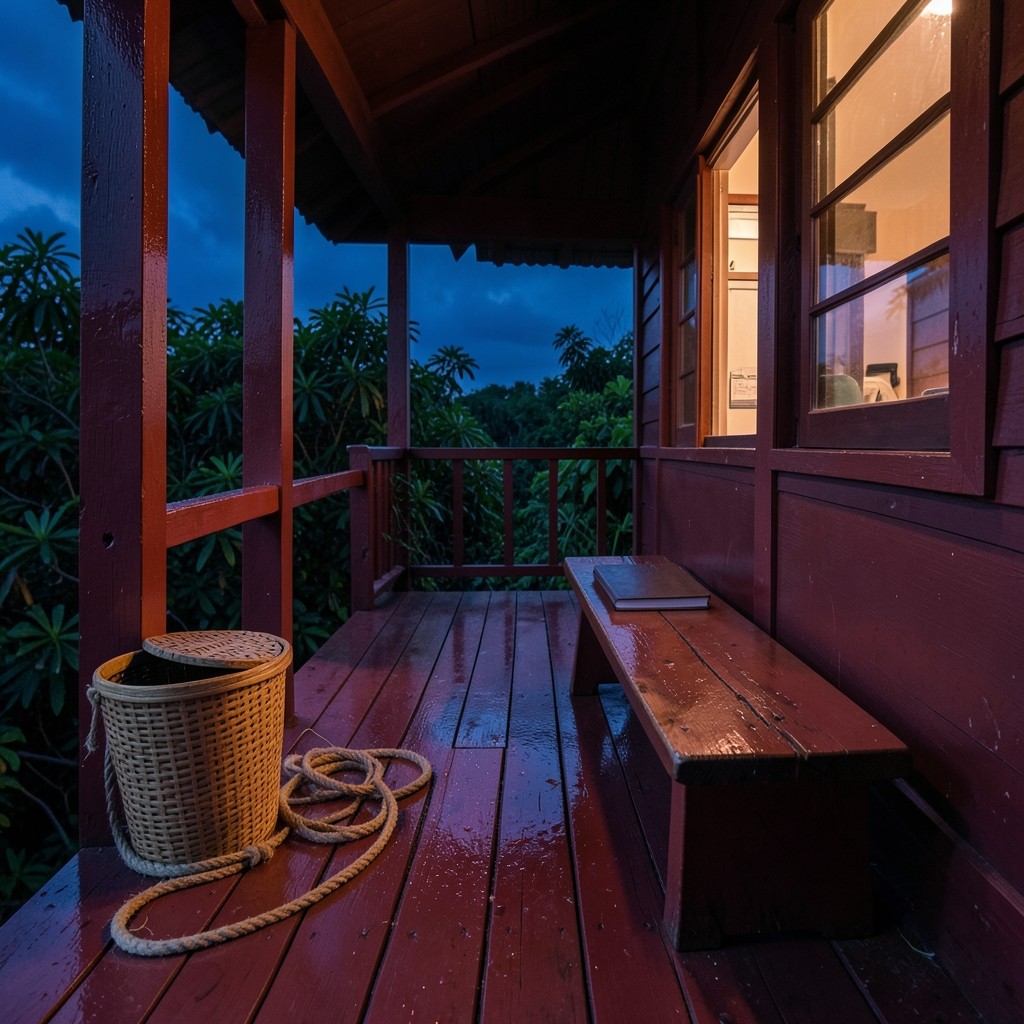
Contingency planning turns vague worry into a short list with prices. In Bacho the same five events come up in sittings, not because every house will meet all of them, but because each one asks for cash inside days, not inside years.
The five that belong on the page
- A roof or wall after heavy rain on this coast, priced from a local repair you have already been quoted or can get this month.
- Travel and days away from work for treatment in a larger town, including the bus, a room, and the wages or stall income you will miss.
- An engine, a motorbike, or a boat share that the household cannot earn without.
- A month of supporting parents or a sibling when their own cash stops.
- The spending cluster around Ramadan and Hari Raya, if that is part of your year, treated as a known date rather than a surprise.
A list of fifteen fears is not a plan. Pick the two that would actually empty the house account, put a baht figure next to each, and decide which one the reserve is for. The other can sit on the page as “not covered yet,” which is more honest than a round number you copied from somewhere else.
Use a price from this amphoe
A national article about emergency funds will not know what a roofer in Amphoe Bacho asked your neighbour last year. If you have no quote, the contingency page should say “price unknown” in that line. Guessing a tidy figure makes the reserve look finished when the expensive line is still blank.
Known dates are easier than shocks. School terms, a festival, and the months when tapping slows can be written on a calendar. Shocks — a sudden repair, a funeral, a week when the road is difficult — need a cash amount that is already set aside, because there is no time to assemble it from several tins.
What the list is allowed to say no to
The reserve does not have to cover a new phone, a trip that can wait, or a loan to a friend. Those can be generous decisions made with spending money. Contingency cash is for the bills that arrive whether you feel ready or not. Writing that boundary down is what keeps the reserve from becoming a second wallet.
If you want this count done against your own bills, request a reserve review or read the engagements.