The month the trees rest
Rubber money and a fishery share do not arrive every Friday. The reserve is the rice, fuel, and stall rent for the stretch when the buyer is not paying.
6.52° N · 101.65° E · Tambon Bacho
Evening sittings · since 2016
A written reserve for households in Narathiwat: how much to set aside, where it sits, and which interruptions it is meant to meet.
The office is in Tambon Bacho. Tuesday to Saturday, with Friday sittings ending at 11:30 so the midday pause is kept. Bring totals, not bank passwords.

Three interruptions that empty a household account in this district faster than a tidy chart expects.
Rubber money and a fishery share do not arrive every Friday. The reserve is the rice, fuel, and stall rent for the stretch when the buyer is not paying.
A roof before the heavy rain, or an engine the household earns with. Contingency planning prices that bill in local baht before the week it happens.
School terms, a festival table, a month supporting parents. These are dates, not shocks, and they still need cash that was named earlier.

The sitting people book first
Two meetings and a written plan. The first sitting maps an ordinary month and the lumps. A week later you read a draft figure, a resting place for the cash, and a refill rule aloud, and you change anything that does not match the house.
From 8,500 THB for a household. About three weeks from the first date. At the Bacho office, or a daytime visit inside Narathiwat.
A full review is not the only door. Some households start with one interruption or with the shape of their year.

One sitting that prices a single interruption — a roof, an engine, a hospital trip, a month supporting parents — and decides what the cash reserve should cover.
Read the engagement
A briefing for households whose cash arrives in a few lumps — rubber, a fishery share, an orchard, festival trade — and must last through the quiet months.
Read the engagement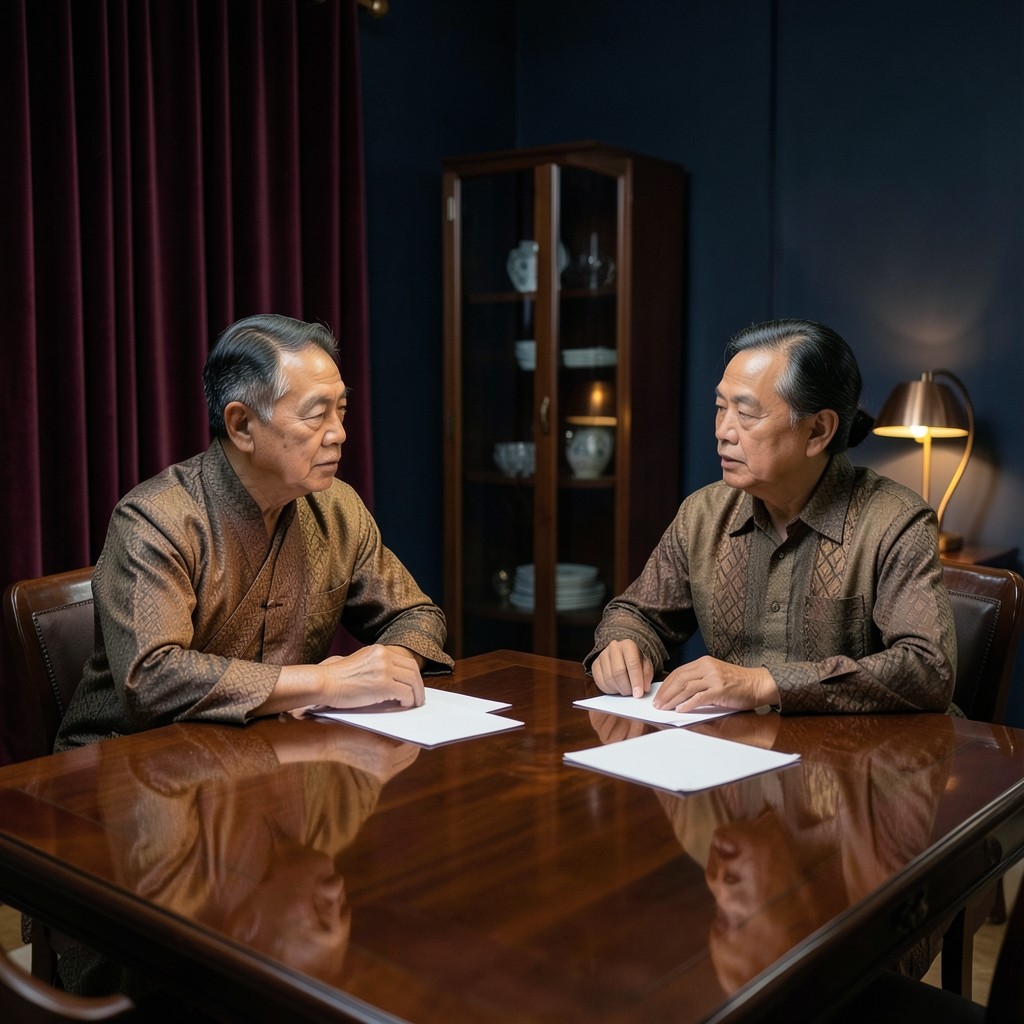
A ninety-minute return visit for clients who already hold a written plan, to see what the year did to the reserve and reset the target if the household changed.
Read the engagementFrom the client notes
In 2024 a dried-fish stall in the tambon used its reserve for a shared boat engine and two weeks of rice and stall rent. The target had felt high when it was first written. After the repair, the useful argument was no longer whether the old number had been comfortable. It was how many selling weeks it would take to put a thinner reserve back.
Short writing from the same work: seasonal cash, a contingency list, and the week after the reserve is spent.

Using the reserve for the bill it was meant for is the plan working. The harder part is the months afterward, when the envelope is thin.

A tapping season can look like plenty. The reserve is the part that has to still be there when the trees are rested and the market is quiet.
Ask for a date